
Citroen Radiators for Sale in South Africa
Aftermarket components — not produced by the original vehicle manufacturer
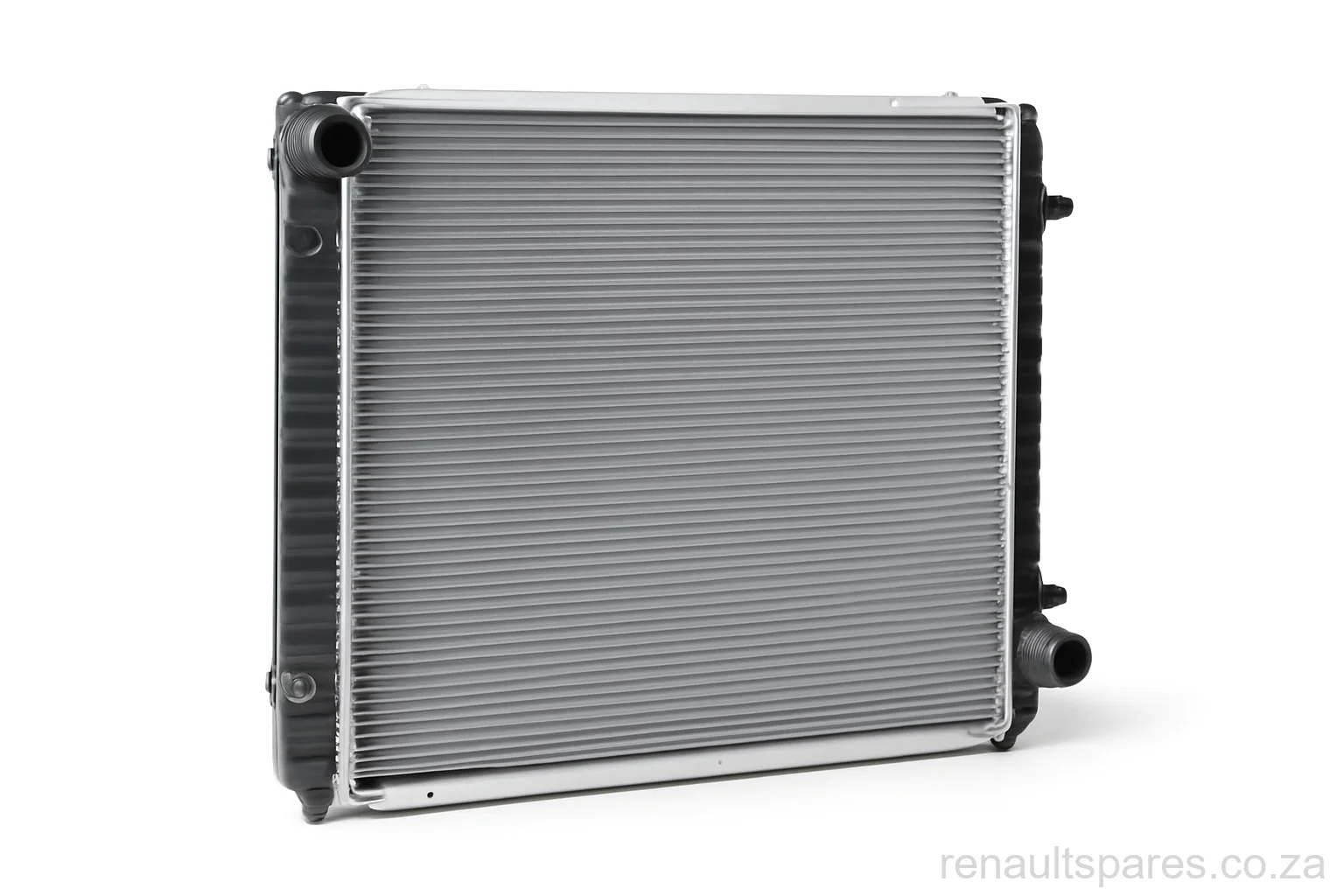
Citroen Radiators by Model
Pick your Citroen model below to see radiators matched to your vehicle.
Part of our full range of Citroen Cooling.

Citroen C3
Fast MovingRadiators for C3 hatchback

Citroen C4
Fast MovingRadiators for C4 hatchback

Citroen C3 Aircross
Fast MovingRadiators for C3 Aircross crossover

Citroen DS3
Fast MovingRadiators for DS3 hatchback

Citroen C4 Cactus
Fast MovingRadiators for C4 Cactus crossover
Citroen C2
Fast MovingRadiators for C2 hatchback

Citroen Berlingo
In DemandRadiators for Berlingo van

Citroen C1
In DemandRadiators for C1 hatchback

Citroen C4 Picasso
In DemandRadiators for C4 Picasso mpv

Citroen C5
In DemandRadiators for C5 sedan

Citroen Grand C4 Picasso
In DemandRadiators for Grand C4 Picasso mpv

Citroen DS5
In DemandRadiators for DS5 hatchback
Displaying 12 of 22 Citroen models
What Are Radiators?
A radiator is a heat exchanger and nothing more clever than that. Hot coolant comes in one end tank, spreads through dozens of narrow tubes with fins between them, gives its heat to the air passing through, and leaves the other end tank cooler than it arrived. On most Citroens the core is aluminium with plastic end tanks crimped on — light, efficient, and with one built-in weakness, which is the joint between the two materials.
That joint is where South African radiators usually die. Every heat cycle expands the aluminium and the plastic at different rates, and after enough summers the crimp seal weeps or the plastic tank cracks outright. Traffic makes it worse, because a radiator sitting in Johannesburg, Durban or Cape Town gridlock on a 35°C afternoon is relying entirely on the fan while the engine is still making full heat. The pre-2016 Citroens are well into the age band where end-tank failure is the norm rather than the exception. The other local killer is the front face itself: grit and insects pack the fins solid, and a blocked core cannot cool no matter how good the pump is.
Signs You Need New Radiators
Related Parts Categories
Looking for something else? Browse related Citroen parts categories.
Mechanical and electric water pumps that push coolant around a Citroen engine
ThermostatsThermostats and housings that control warm-up and hold running temperature on a Citroen
Cooling FansRadiator fan motors, blades and complete cowl assemblies for the Citroen range
Radiator HosesTop, bottom and bypass hoses, moulded to the shape each Citroen engine bay needs
Heater CoresHeater matrixes for Citroen cabins that blow cold or fog the windscreen with a sweet smell
Coolant ReservoirsExpansion tanks, caps and level sensors for the cooling system on a Citroen
Radiator CapsPressure caps that hold the system pressure a Citroen cooling circuit is designed around
Temperature SensorsCoolant temperature senders and thermal switches for Citroen gauges and fan control
Available Across South Africa
We deliver radiators to cities and towns across all 9 provinces.
Common Questions About Radiators
How much does a replacement radiator cost for a Citroen in South Africa?
R2,500 to R6,500 for the radiator, depending on the model and how much cooling it was built to do. A C3 with the 1.2 PureTech is R2,900-R4,100; the bigger C3 Aircross and C5 Aircross diesels run R4,450-R6,250. Fitting adds around R800-R1,500 and usually includes a proper fill and bleed, which matters more than it sounds — air trapped in the system will make a brand-new radiator look like it is not working.
How long should a Citroen radiator last in South African conditions?
Eight to twelve years, or 150,000-200,000 km, on a car that has had its coolant changed. Where the coolant has been left in past its life, or topped up with water over the years, expect six to eight — old coolant loses its corrosion inhibitors and the aluminium starts to go from the inside. Two habits genuinely extend radiator life: changing the coolant every two to three years, and hosing the front face out gently from the engine side once a year to clear the grit and insects packed into the fins.
Can I drive my Citroen with a leaking radiator?
No, and this is one of the few places where that answer has no qualifications. Once the level drops, coolant flow becomes intermittent and cylinder head temperature climbs faster than the gauge can show you. Stop, let it cool properly before opening anything, and have it towed. The reason to be firm about this is the cost of getting it wrong: a warped head or a failed head gasket on a THP or an HDi runs R15,450-R33,600, against a radiator that would have been a fraction of that.
What causes radiators to fail in Citroen vehicles?
Age and heat cycling crack the plastic end tanks — that is the classic failure on the pre-2016 cars and it is a matter of when rather than if. Old or contaminated coolant corrodes the core from the inside and eventually blocks it. Stones and speed bumps damage the face from the outside. And on the diesels, a failing EGR cooler can push exhaust gas into the coolant, which pressurises the system and stresses every joint in it. If a radiator has failed with no obvious impact damage, it is worth asking why before fitting a new one.
Should I choose an OEM or aftermarket radiator for my Citroen?
Aftermarket, in most cases, provided you buy a known brand. Nissens, Valeo and Mahle all supply radiators built to the original specification and they run R2,100-R4,100 for most models, typically with a two-year warranty — genuine units cost 30-50% more for no meaningful gain. The one thing worth being firm about is the bottom of the market: unbranded radiators under R1,800 tend to use thinner tube walls and lighter fin stock, and they do not survive a South African summer in traffic.
Struggling to Find the Correct Radiators?
Our Citroen parts advisors can cross-reference your VIN or engine code to pinpoint exactly what you need.