





Citroen Basalt Camshafts
Aftermarket camshafts engineered to slot into the Citroen Basalt. Cross-referenced against OEM specs and dispatched countrywide from our warehouse
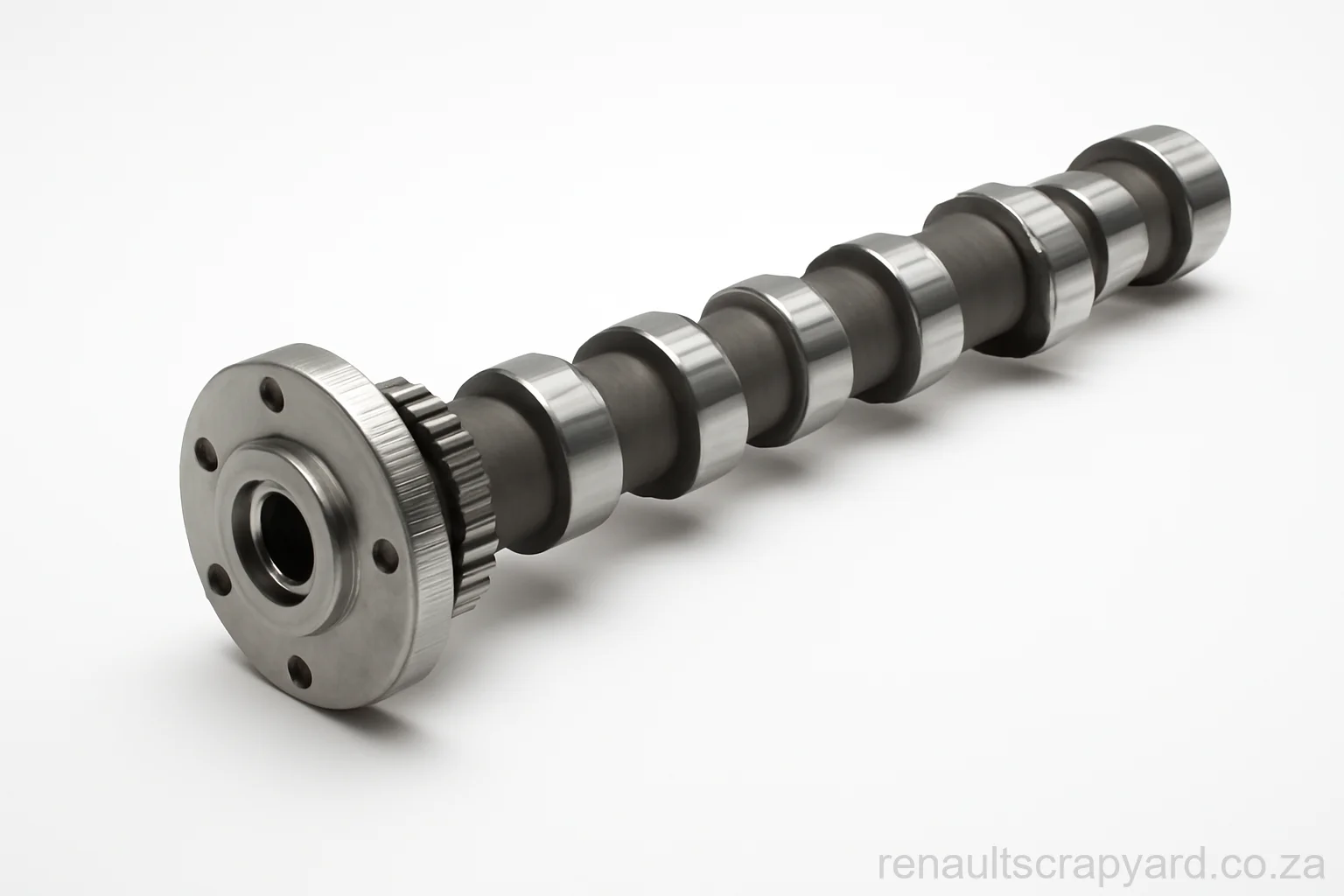
What Are Citroen Basalt Camshafts?
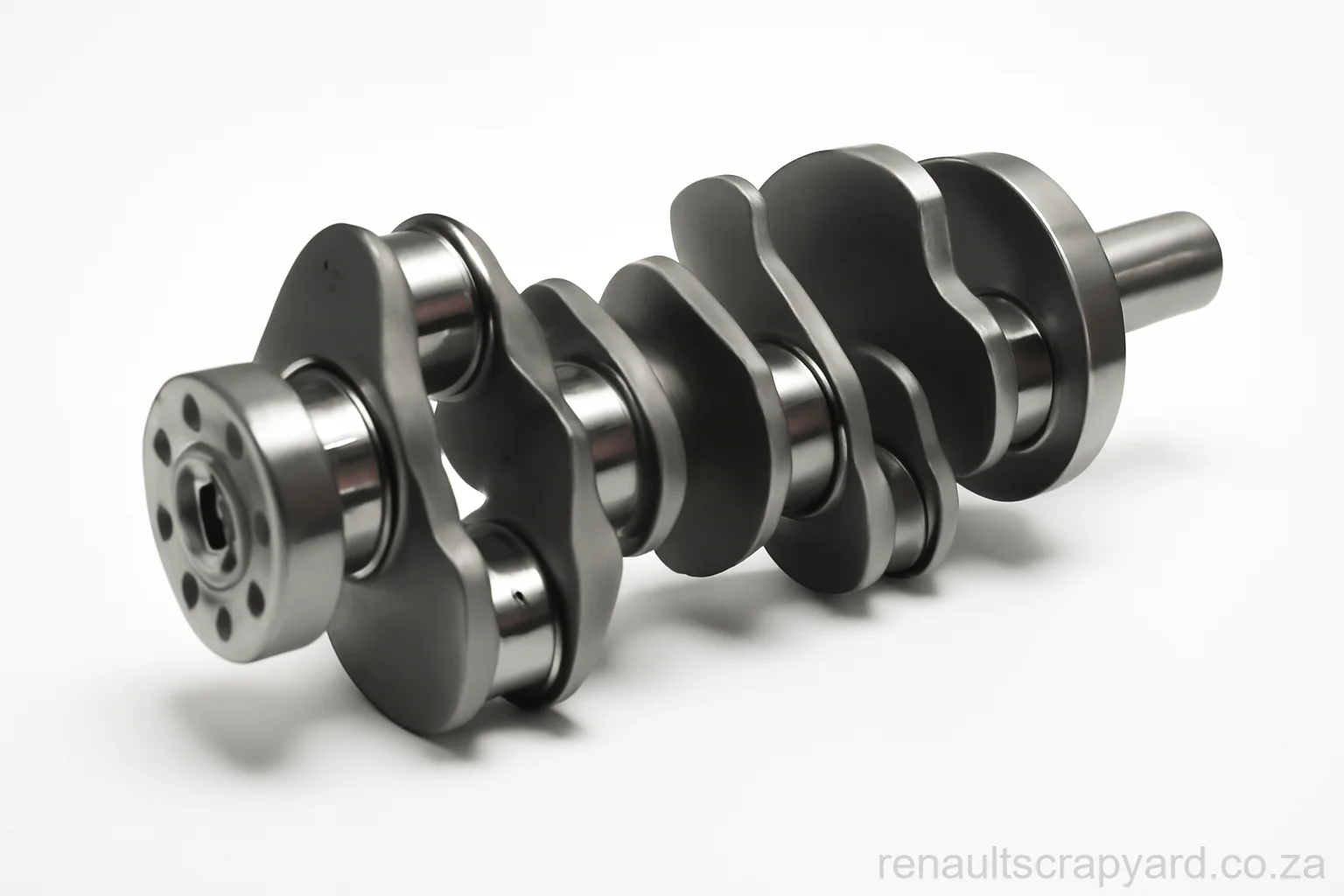
A camshaft is a hardened steel shaft with eccentric lobes machined along it. As it turns — at exactly half crankshaft speed, held there by the timing belt or chain — each lobe pushes a valve open and the spring closes it again. The lobe profile decides how far each valve opens and for how long, which is why the same block with a different cam behaves like a different engine. Most modern Citroens add variable valve timing on top, which lets the ECU shift the cam's position relative to the crank to trade low-down torque against top-end breathing.
Camshafts are not really wear items. A cam in an engine with clean oil will outlast almost everything around it. What kills them is oil: the wrong grade, too long between changes, or a level allowed to drop. The lobes and their followers rely on a film of oil under enormous localised pressure, and once that film fails the lobe wears flat in a hurry. This is why the variable-timing hardware is usually the first thing to complain — the cam phasers are hydraulic, they run on engine oil pressure, and dirty oil blocks their fine passages long before it wears a lobe. On these engines an oil service is not maintenance of the oil; it is maintenance of the valvetrain.
Signs You Need New Camshafts
Common Questions About Citroen Basalt Camshafts
How much does a Citroen camshaft replacement cost in South Africa?
A C3 with a PureTech petrol runs R8,750-R15,750 with parts and labour. An HDi diesel in a Xsara or C3 Aircross is R11,900-R23,100, because the timing arrangement is more involved and there is more to remove and reset. Those figures include the camshaft, the timing components that have to come off to reach it, gaskets and an oil change. On an older car it is always worth pricing a good used cylinder head against a camshaft replacement — sometimes the whole assembly is the cheaper route, and we can quote both.
What causes camshaft failure in Citroen THP engines?
Oil, in four different ways. The wrong specification, so the additive package does not protect under load. Intervals stretched past 15,000 km, so what is in the sump is no longer oil in any useful sense. A stretched timing chain letting the cam drift out of phase, which is the known weak point on these engines and announces itself as a cold-start rattle. And carbon build-up around the variable timing hardware, which these direct-injection engines are prone to. Correct-specification 5W30 on a short interval addresses three of those four, which is a good return for the cost of an oil service.
How often should camshafts be inspected on a Citroen?
There is no interval, because a healthy camshaft does not need one. Inspect it when something else already has the engine open — at a major service around 60,000 km if the cam cover is off anyway, and always at a timing belt change, since the covers are off and looking costs nothing. What deserves immediate attention rather than a scheduled one is a new ticking noise from the top of the engine, or a cam-position fault code. Both mean something has already moved, and both get more expensive with distance.
Can I drive my Citroen with a worn camshaft?
Not sensibly. A worn lobe means one valve is no longer opening properly, so that cylinder is down on power and running an incorrect mixture, and the debris coming off the lobe is circulating through the oil system into everything else. If the timing has slipped rather than the lobe worn, you are one step from valve-to-piston contact. Either way the noise or the fault code is the cheap warning. A full rebuild once it has gone runs R41,600-R80,000, so the inspection is not the expensive part of this decision.
Are camshaft problems common in Citroen HDi engines?
The HDi diesels are fundamentally durable, and camshaft wear is not a headline fault. Where it does appear, oil dilution is usually behind it: repeated interrupted particulate filter regenerations put unburnt diesel into the sump, the oil thins, and thin oil is poor protection for a cam lobe. That is a short-trip driving problem more than an engine design problem. Sticking to 10,000 km oil changes with the correct ACEA C2 or C3 specification oil, and letting the car do a proper run often enough to complete a regeneration, keeps it out of trouble.
Other Engine Parts for Citroen Basalt
Not Sure Which Camshafts Fits Your Basalt?
Share your VIN or engine code and our Citroen team will cross-check the correct camshafts for your exact Basalt variant.